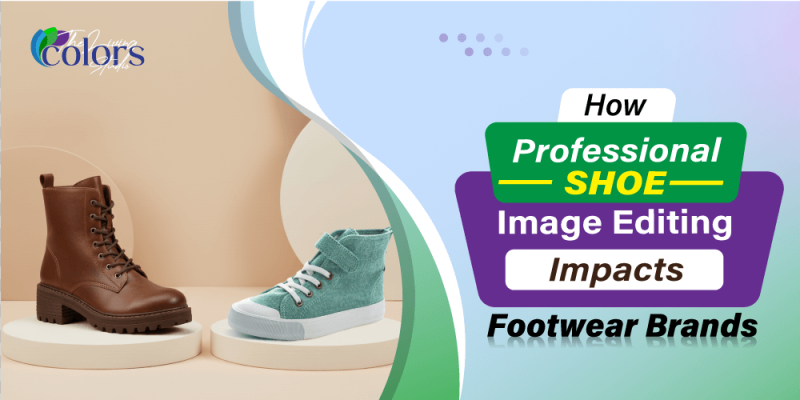
Premium-looking shoe images are the USP on online stores. Can a raw footwear image be used directly, or should it be enhanced with professional shoe image editing?
In online footwear sales, images are everything. Customers cannot touch the material, test the comfort, or feel the weight of a shoe. They rely entirely on visuals to make a decision. This is why shoe image editing plays such a critical role in eCommerce success.
A raw shoe photo, even when taken in a studio, rarely looks ready for online use. Lighting issues, color inconsistencies, minor defects, and distracting backgrounds all detract from the impact. Professional shoe image editing transforms these raw photos into clean, polished visuals that sell.
At The Living Colors Studio, editing shoes is not treated as a mechanical task. It is a careful process that balances realism, detail, and brand presentation.
Table Contents
- 1 What is Shoe Image Editing?
- 2 Common Must Do Show Image Editing
- 2.1 Background Cleaning and Removal
- 2.2 Color Correction and Accuracy
- 2.3 Enhancing Shoe Textures Naturally
- 2.4 Shadow and Depth for a Realistic Look
- 2.5 Shape and Alignment Corrections
- 2.6 Different Editing Needs for Different Shoe Types
- 2.7 Shoe Image Editing for eCommerce Platforms
- 2.8 Reduce Returns Through Accurate Editing
- 2.9 Why Should Brands Work With The Living Colors Studio?
- 2.10 How do We Handle Bulk Shoe Image Editing Projects?
- 2.11 The Role of Editing in Brand Perception
What is Shoe Image Editing?
Shoe image editing is not about making a product look fake or overly perfect. It is about presenting the shoe as clearly and accurately as possible. The goal is to eliminate distractions and focus on what matters.
This process involves cleaning the background, correcting colors, refining edges, and enhancing details to help customers better understand the product. Good shoe image editing improves clarity without altering the original design or material.
When editing is done correctly, the shoe looks natural. It feels trustworthy. And it matches what the customer receives.
Why Shoe Image Editing Is Essential for Online Sales?
Footwear is a competitive market. Thousands of brands sell similar styles, often at comparable prices. In this environment, presentation becomes a deciding factor.
Shoppers scroll quickly. They compare options side by side. A shoe that appears dull, poorly lit, or inconsistent instantly feels of lower quality. On the other hand, a clean and well-edited image signals professionalism and reliability.
Professional shoe image editing also reduces confusion. Accurate colors and precise details help customers make confident decisions. This leads to higher conversion rates and fewer returns.
For brands selling online, editing is not an extra step; it’s a necessary one. It is part of the sales strategy.
Are Raw Shoe Photos Enough?
To keep it straightforward, the answer is no.
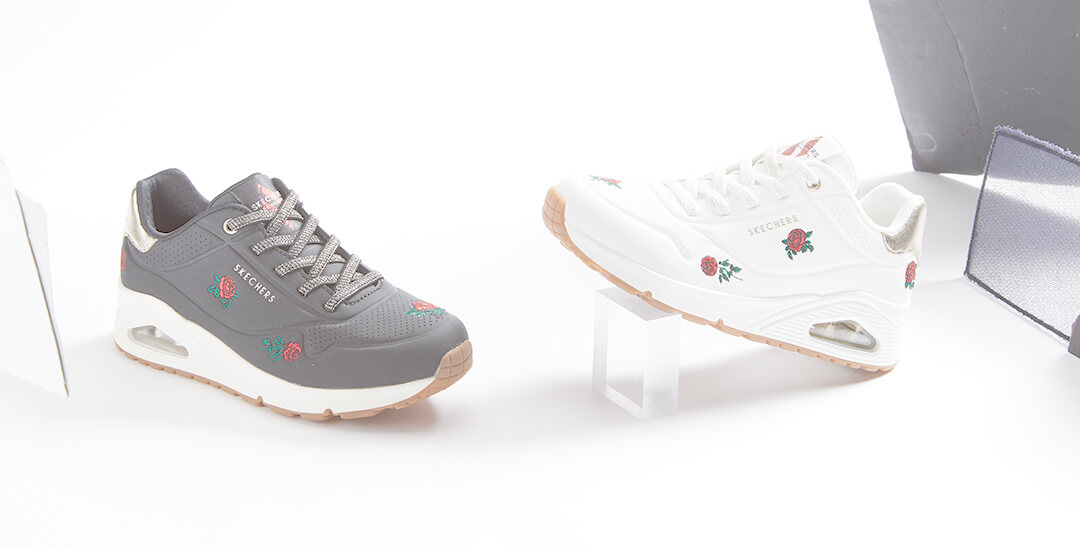
Even high-quality photography has limitations. Shoes are complex products to shoot. Their shape, materials, and reflective surfaces often create challenges.
Lighting can hide textures or create harsh shadows. White shoes may appear grey. Black shoes may lose detail. Dust, wrinkles, or glue marks can become visible in high-resolution images. Backgrounds may look uneven or distracting.
Shoe image editing addresses these issues. It corrects what the camera cannot capture perfectly while keeping the product honest.
Common Must Do Show Image Editing
Every professional shoe image goes through a series of essential edits. Here’s what matters most
Background Cleaning and Removal
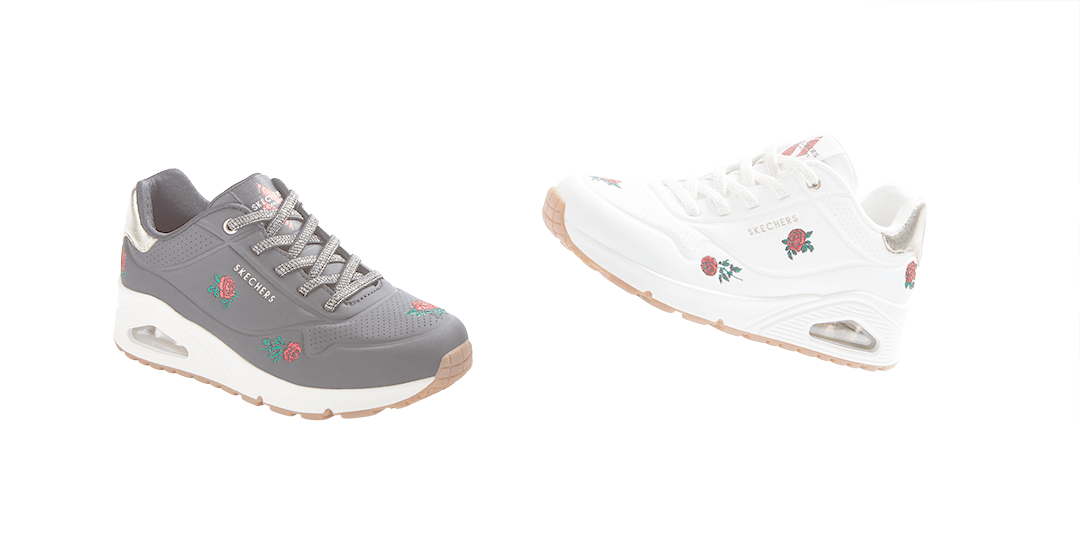
A clean background keeps attention on the shoe. Most eCommerce platforms prefer white or neutral backgrounds because they reduce distraction and improve consistency.
Background removal in shoe image editing requires precision and accuracy. Shoes often include laces, mesh areas, curves, and fine edges. Poor cutouts make images look cheap and unprofessional.
The Living Colors Studio focuses on clean edges and smooth transitions. The shoe remains sharp, while the background looks natural and distraction-free. This creates a strong first impression without drawing attention to the editing itself.
Color Correction and Accuracy
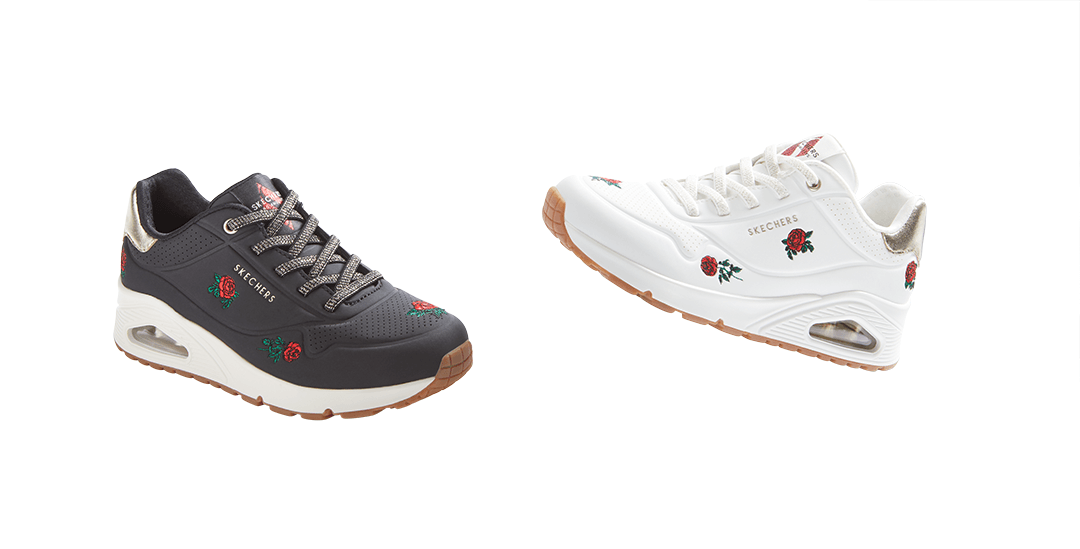
Color accuracy is one of the most important aspects of shoe image editing. Customers expect the product to arrive in the same condition as when it was shipped.
Even slight color differences can lead to dissatisfaction. This is especially true for fashion footwear, where color is often the main selling point.
Professional editors carefully adjust white balance, exposure, and contrast. The goal is not to exaggerate colors but to correct them. When customers see the image, they should be able to trust it.
At The Living Colors Studio, color consistency is maintained across entire product lines, not just individual images.
Enhancing Shoe Textures Naturally
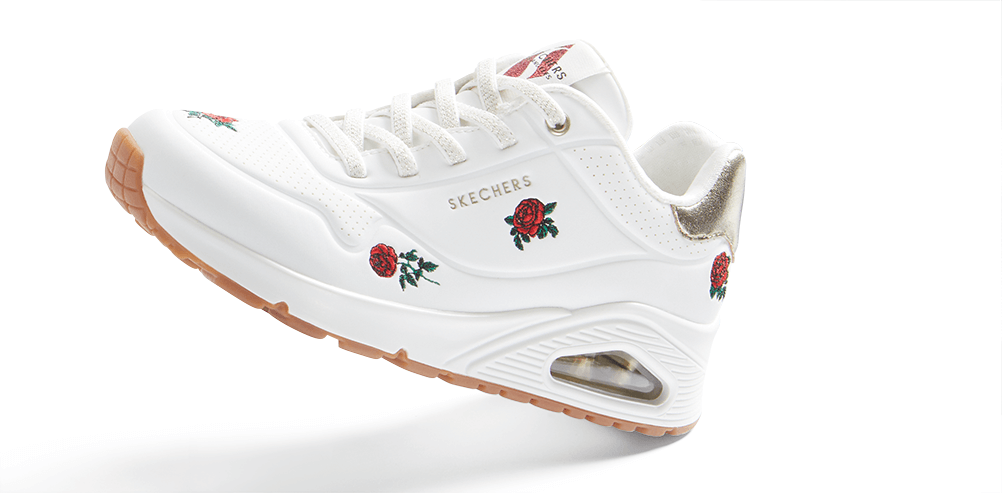
Shoes are made from many materials. Leather, suede, canvas, rubber, mesh, and synthetic fabrics all exhibit distinct behaviours when exposed to light.
Shoe image editing enhances these textures, enabling customers to see the product’s quality clearly. Stitching becomes more visible. Fabric grain looks realistic. Soles appear structured and solid.
The key is subtlety. Over-editing can make shoes look plastic or artificial. Experienced editors know when to push and when to stop.
Shadow and Depth for a Realistic Look
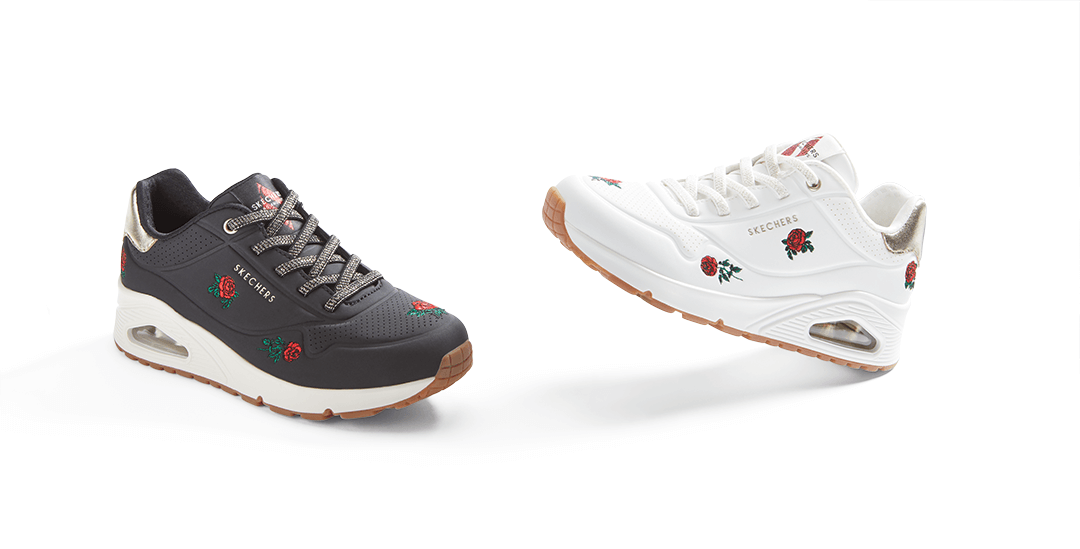
Without shadows, shoes can appear flat or as if they are floating. Natural shadows add depth and help visually ground the product.
Professional shoe image editing involves creating or refining shadows that align with the direction of the lighting to achieve a realistic appearance. These shadows should feel soft and realistic, not harsh or distracting.
In some cases, reflections are added for a premium look. This works exceptionally well for fashion brands and formal footwear. When done correctly, it adds elegance without overpowering the product.
Shape and Alignment Corrections
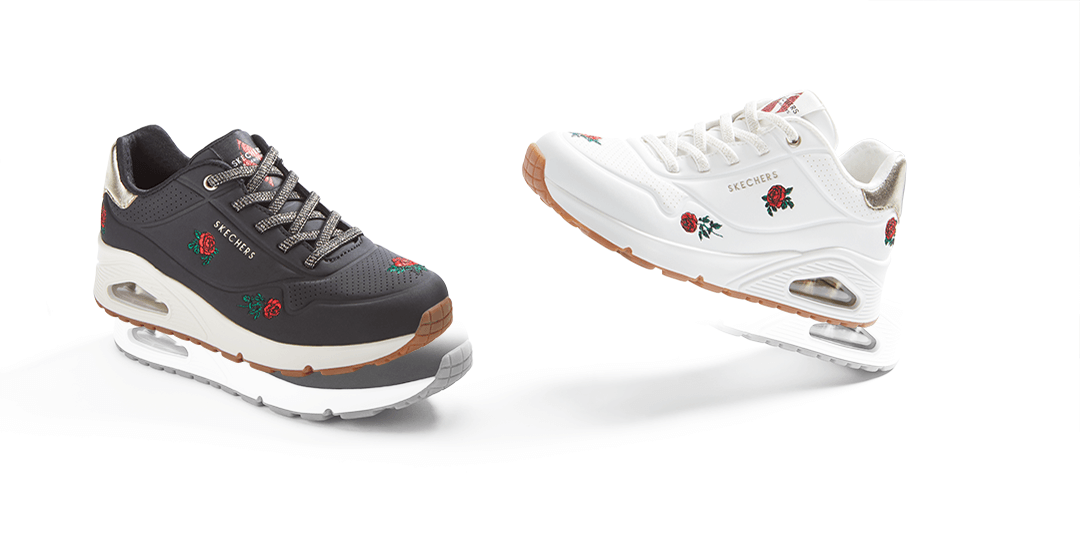
Camera angles and lens distortion can slightly alter the appearance of shoes. This can affect symmetry and proportions.
Shoe image editing corrects these small issues. The shoe appears balanced and properly aligned, while remaining true to its original design.
This step is especially crucial for footwear brands that prioritise design precision and visual consistency.
Different Editing Needs for Different Shoe Types
Not all shoes should be edited the same way. Each category has its own visual priorities.
Sneakers and sports shoes need sharp details and a dynamic look. Performance features should stand out clearly.
Formal shoes require careful attention to the texture of the leather, stitching, and polish. The image should communicate craftsmanship and quality.
Heels and fashion footwear focus on shape and elegance. Smooth curves and balanced lighting matter most.
Boots need depth and structure. The sole, material thickness, and durability should be visible.
The Living Colors Studio adjusts shoe image editing techniques based on the product type, rather than using a fixed template.
Shoe Image Editing for eCommerce Platforms
Each selling platform has its own image requirements. Failing to meet these standards can impact visibility or even result in listing rejection.
Amazon prefers clean white backgrounds with no distractions. Images must look natural and accurate.
Brand websites allow more creative freedom but still require consistency and fast loading speeds.
Fashion marketplaces require high-quality visuals that convey an editorial feel while remaining product-focused and visually appealing.
The Living Colors Studio edits shoe images with platform guidelines in mind, ensuring compliance without sacrificing brand style.
Reduce Returns Through Accurate Editing
Returns are expensive. One of the primary reasons customers return shoes is due to unmet expectations.
Accurate shoe image editing reduces this risk. When customers clearly see color, texture, and shape, they know what they are buying.
This leads to fewer complaints, better reviews, and stronger brand credibility over time.
Why Should Brands Work With The Living Colors Studio?
The Living Colors Studio understands that shoe image editing is about business results, not just visuals.
We edit every image by keeping the customer’s perspective in mind. The goal is clarity, accuracy, and consistency.
Brands trust us because of our experience with footwear products, attention to detail, and ability to handle both small and large projects without quality loss.
The editing process is structured, reliable, and focused on long-term brand value.
How do We Handle Bulk Shoe Image Editing Projects?
Large footwear catalogues require consistent editing across hundreds or thousands of images. This demands planning and quality control.
The Living Colors Studio follows standardised editing guidelines to maintain uniformity. Each image goes through multiple checks to ensure it meets brand and platform standards.
This allows growing brands to scale without worrying about visual inconsistency.
The Role of Editing in Brand Perception
Customers often form an impression of a brand within seconds. Images play a major role in that judgment.
Consistent shoe image editing helps create a recognisable visual identity. Over time, customers begin to associate that look with reliability and quality.
This visual consistency strengthens brand trust and encourages repeat purchases.
In the footwear industry, visuals are not just decorative. They are persuasive. Shoe image editing helps bridge the gap between physical products and digital shopping experiences.
Clean backgrounds, accurate colors, natural textures, and realistic shadows all work together to build trust. When customers trust what they see, they buy with confidence.
With a careful and realistic approach, The Living Colors Studio helps footwear brands present their products in a way that feels honest, professional, and sales-driven.
Good shoes deserve good images. And good photos deserve expert editing.